
What are the Basic Considerations for Landscaping?
Landscaping your home can be a daunting task. There are so many things to consider, from the type of plants you want to use to the layout of your garden. But don’t worry, we’re here to help.
In this blog post, we’ll run through some of the basic considerations you need to keep in mind when landscaping your home.
3 General Steps of Landscaping
When you think of landscaping, you might picture grandiose gardens with intricate designs and perfectly manicured lawns. But landscape design is not just about creating pretty spaces, it’s also about functionality and practicality. Whether you’re starting from scratch or renovating an existing landscape, there are three general steps that will help you achieve your desired results:
- Define the space: The first step in any landscape design is to take stock of the area you have to work with. This includes measuring the dimensions of the space, assessing the sun exposure, and determining which features (if any) you want to keep or remove.
Once you have a clear understanding of the lay of the land, you can start planning your design.
- Select your plants and hardscape materials: This is where creativity comes into play! There are endless possibilities when it comes to choosing plants and materials for your landscape. Consider what kinds of plants will thrive in your climate and soil type, as well as what kinds of activities (e.g., entertaining, gardening) you’d like to use the space for when making your selections.
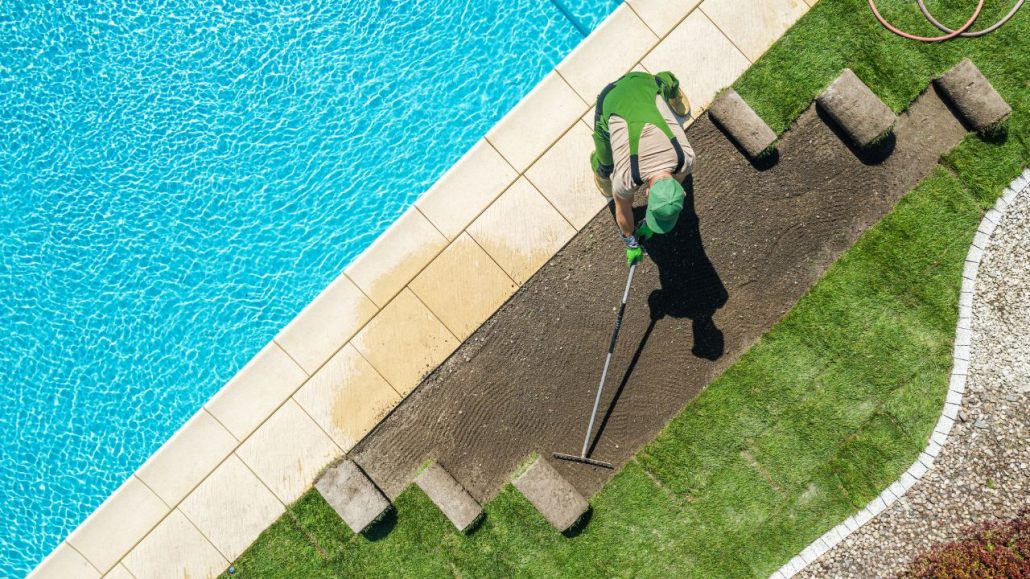
- Install and maintain your landscape: The final step is to put all your plans into action by installing your chosen plants and hardscape materials. Once everything is in place, be sure to properly care for your new landscape so it can reach its full potential!
What are Several Practical Considerations of Landscape Design?
There are several practical considerations of landscape design to take into account when planning your landscape. Here are a few key things to keep in mind:
- The climate and weather conditions in your area. Make sure to choose plants and trees that are suitable for the climate you live in. For example, if you live in an area with hot summers, make sure to choose heat-tolerant plants.
- The amount of sunlight available in your landscape. Some plants need full sun while others prefer partial shade. Make sure to research the needs of the plants you want to include in your landscape.
- The size of your yard or garden space. This will help determine how many plants and what type of layout you can have in your landscape design. If you have a small space, you may want to consider a more compact design with less plant material.
- Your budget for landscaping materials and labour costs. This is an important factor to consider when planning your landscape as it will affect the overall cost of the project.
Conclusion
Landscaping is the art of making a garden or yard look beautiful. It can involve planting flowers, trees, and shrubs, as well as adding features like ponds and waterfalls. Landscaping can also include putting in walkways, patios, and other hardscaping features.
Your landscape design should be tailored to your individual needs. If you’re looking to create a relaxing oasis, then you should include plants that help to calm your mind. If you’re looking to create a more functional garden, then you should consider including plants that help to clean the air. The key to any successful landscaping project is to make sure that you’re designing it around your own personal preferences.
By keeping these things in mind, you’ll be on your way to creating a beautiful landscape that meets all of your needs!


Leave a Reply
Want to join the discussion?Feel free to contribute!