driveways cork

Durable Driveway Materials for Cork Homes: What Lasts and What Doesn’t

Picking a driveway surface might seem straightforward, but if you live in Cork, it’s not just about how it looks. The weather here has a way of testing everything—constant rain, the odd frost, and the wear and tear from cars going in and out every day. If you’re going to spend money on a new driveway, it better be tough enough to last.

Let’s get into it. Here are the driveway materials that hold up best in Cork’s climate, plus a few you might want to avoid unless you fancy redoing it in five years’ time.

Tarmac – Reliable and Budget-Friendly

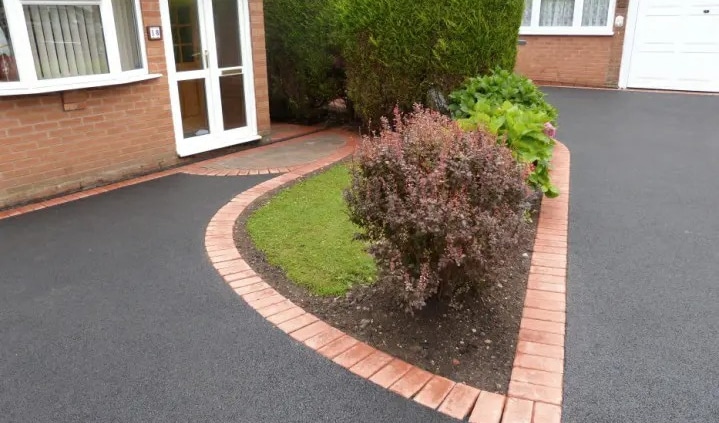
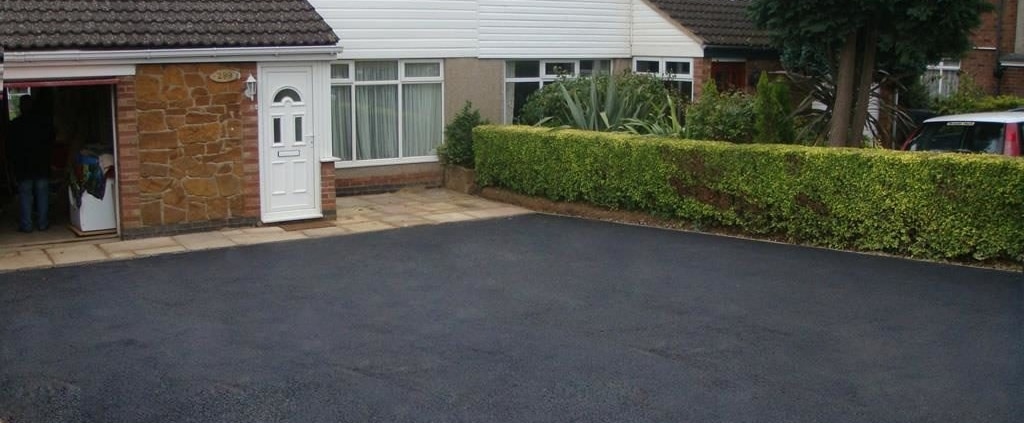
Tarmac is probably the most common driveway material in Cork. It’s simple, strong, and doesn’t cost the earth. Laid hot and flattened out with a roller, it forms a smooth black finish that looks tidy from the road.

Why it works well here:

  • It handles heavy rain better than you’d think

  • It has a bit of flexibility, so it won’t crack easily in winter

  • It’s quick to install and easier to repair if you get a dent or patch

Downsides? It can soften a bit in extreme heat (rare in Cork) and it will fade to grey over time unless you seal it.

Good for: Large driveways, rental properties, homes that need a quick upgrade.

Concrete – Built to Last (With a Price Tag)

If you want something solid that’ll take a beating and still look good in twenty years, concrete is a solid choice. You can leave it plain, go for a brushed finish, or even get it patterned or coloured if you’re feeling fancy.

What makes it durable:

  • Doesn’t budge under pressure, even with heavy vehicles

  • Won’t wear down easily

  • Great for sloped drives or areas with drainage issues

But be warned—concrete is unforgiving. It cracks if the base isn’t perfect, and fixing it can be a pain. Repairs often stand out. Plus, the upfront cost is higher than most other materials.

Good for: Homeowners who want low-maintenance and plan to stay put.

Gravel – Looks Great, Needs Work

Gravel’s a bit of a wildcard. It’s cheap, it drains well, and it looks tidy if you keep on top of it. It’s made up of loose stones spread over a membrane, and you can choose the colour and size to suit your style.

Where it wins:

  • Doesn’t flood

  • Easy to top up if you get low spots

  • Affordable and quick to install

Where it struggles:

  • Needs regular raking and topping up

  • Stones scatter into the road or grass

  • Weeds love it if you skip the weed barrier

Not the best pick for high-traffic driveways unless you’re willing to stay on top of maintenance. But great for country homes or driveways that don’t get hammered daily.

Good for: Cottage-style homes, low-traffic driveways, decorative front areas.

Paving Blocks – Sharp Looking, Hard Wearing

Block paving is another solid option if you’re looking for something that lasts and looks smart. The bricks are laid in patterns over a compacted base, and the finish can be traditional or modern depending on the style you pick.

Why it’s tough:

  • Individual blocks can be replaced if one cracks

  • Doesn’t fade or wear easily

  • Looks high-end if done well

The downside is weeds. If you don’t brush in jointing sand regularly or seal it, moss and weeds will move in fast—especially with Cork’s damp conditions.

Good for: Urban homes, townhouses, anyone who wants a showpiece driveway.

Resin Bound – Nice Finish, Needs Proper Installation

This one’s been getting more popular in the last few years. Resin bound driveways are made from stone chips mixed with resin, laid over a solid base. They create a smooth, slightly textured finish that’s both modern and slip-resistant.

Why people love it:

  • Looks sleek and clean

  • Permeable (if installed correctly), so great for drainage

  • No loose stones, unlike gravel

Where it goes wrong is in poor preparation. If the base isn’t perfect or the resin mix is off, it can crack or lift within a few years. Make sure you’re using someone who knows what they’re doing.

Good for: Modern homes, people who want something low profile and neat.

Cobblestone – Old School but Strong

If you’ve got an older property or want to match a heritage look, cobblestone is one of the most durable options going. It’s not cheap, but it’s rock solid—literally. Properly installed cobblestones can last decades with very little maintenance.

Why it lasts:

  • Doesn’t shift or crack easily

  • Handles water run-off well

  • Ages beautifully with time

The only real drawback is the price. It’s expensive to lay and needs skilled work. Also, it’s not the smoothest to walk on in heels or push a buggy over.

Good for: Period homes, high-end finishes, long-term investments.

What to Avoid if You Want Long Life

There are a few materials that might look nice for a few years but won’t stand the test of time in Cork’s wet climate.

  • Loose bark or mulch: Fine for garden paths, not for driveways

  • Cheap concrete with no proper base: Will crack in no time

  • Low-grade tarmac without sealing: Fades fast and breaks apart

If you’re unsure, always ask about the base. No matter how good the top layer looks, if the foundation isn’t right, it won’t last. A solid base is 80% of the job.

Final Word: Go With What Suits Your House and Lifestyle

There’s no one-size-fits-all answer. The best material depends on your budget, the look you want, how often the driveway’s used, and how much maintenance you’re happy to do.

If you want something quick, strong, and affordable – go with tarmac.
If you’ve got the budget and want it rock solid – concrete is a safe bet.
If you want style and flexibility – block paving or resin could be right.
If it’s a country house and you’re not fussed about raking – gravel might be just fine.

Whatever you choose, get it installed properly and pay attention to drainage. That’s what separates a five-year surface from one that lasts 20.
driveways cork

Tarmac vs Concrete Driveways in Cork: Which Is Right for Your Home?

When planning a new driveway in Cork, homeowners consider tarmac and concrete as the two most common materials. Both are strong, reliable, and widely used across Ireland, but they come with different advantages, costs, and upkeep requirements. If you’re stuck choosing between the two, this blog will walk you through everything you need to know to make the right decision for your home.

What’s the Difference Between Tarmac and Concrete?

Tarmac, short for tarmacadam, is a mixture of crushed stone and tar. It’s poured while hot, then rolled out to create a smooth surface. Once it cools, it forms a solid, slightly flexible finish that can handle heavy use. Tarmac is most commonly used on roads and driveways because it sets quickly and is relatively cheap to install.

Concrete, on the other hand, is made using cement, sand, stone, and water. It’s poured into place and left to cure over several days. Once hardened, it becomes incredibly strong and rigid. You can leave it plain, or opt for finishes like brushed, polished, coloured, or stamped designs.

Cost: Which Is More Budget-Friendly?

If cost is your main concern, tarmac usually comes out on top. The materials and labour involved in laying a tarmac driveway are more affordable, especially for larger areas. In Cork, a tarmac driveway generally starts around €45–€60 per square metre.

Concrete driveways tend to be more expensive, typically ranging from €65–€100 per square metre. The final price depends on whether you choose plain concrete or go for decorative finishes. While concrete may have a longer lifespan, the higher upfront cost can be off-putting for some homeowners.

Installation Time: How Long Does It Take?

Tarmac driveways can be laid and ready to use within a couple of days. The surface sets quickly, and under normal conditions, you can drive on it after 24 to 48 hours.

Concrete requires more preparation and needs to cure slowly to avoid cracking. Although it can be walked on after a couple of days, you may need to wait up to a week before driving on it. For this reason, tarmac is the better choice if you’re looking for a quick turnaround.

Appearance: Which Looks Better?

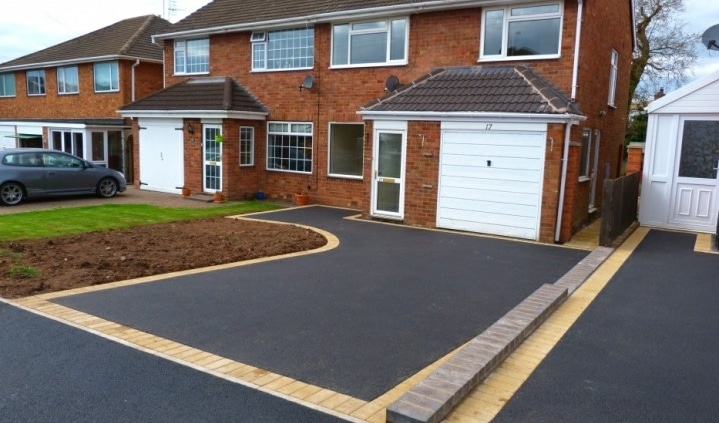
This comes down to personal preference. Tarmac offers a smooth, black surface that blends well with most types of homes. It creates a clean and simple look, which can be improved further with block edging or decorative borders.

Concrete gives you more choice in terms of appearance. You can leave it plain or choose finishes that mimic natural stone or patterned paving. In Cork, where many homeowners want a modern or rustic finish, decorative concrete can really improve a property’s kerb appeal. However, it does cost more to customise.

Durability: Which One Lasts Longer?

Both options are long-lasting, but they perform differently over time. Tarmac is flexible, which means it copes well with temperature changes and ground movement. This is useful in Ireland where weather can change rapidly. However, over the years, tarmac may fade or wear down, especially if heavy vehicles regularly park on it.

Concrete is more rigid and generally lasts longer—often over 25 years if properly laid and maintained. That said, it’s also more prone to cracking if the ground shifts or drainage is poor. Cracks in concrete are usually more visible and harder to repair than small dents or soft spots in tarmac.

Maintenance: Which One Is Easier to Look After?

Tarmac is low maintenance. You may need to sweep it occasionally, treat oil spills quickly, and reseal it every few years to keep it looking fresh. Minor damage can be patched without too much trouble, and resealing the surface helps prevent cracking and water damage.

Concrete requires less frequent care, but when problems arise, they can be harder to fix. Cracks often need to be cut out and refilled, and the repair rarely blends in. If you opt for decorative concrete, extra sealing may be required to preserve colour and prevent staining.

Weather Suitability in Cork

Tarmac’s slight flexibility gives it an edge in colder conditions, especially during freeze-thaw cycles. This makes it less likely to crack in winter. However, it can soften during very hot weather, though this is rarely a concern in Cork’s moderate climate.

Concrete is more stable in the heat, but without proper expansion joints and drainage, it can crack as the temperature drops. In damp areas like Cork, water drainage is essential for both materials, so always choose an installer who understands local ground conditions.

Environmental Impact

Neither surface is naturally permeable. If you’re concerned about water runoff, especially in areas prone to flooding, you may need to install drainage channels or soakaways. While tarmac can sometimes be recycled, concrete typically has a higher carbon footprint due to the cement used in production. There are eco-friendlier concrete mixes available, but they aren’t always used as standard.

Repairs and Resurfacing

Tarmac can be resurfaced easily with a fresh top layer. If the foundation is still intact, you won’t need a full replacement. Cracks and potholes can be filled quickly with hot tarmac and compacted back into shape.

Concrete repairs are more complex. Cracked areas often require cutting, breaking out, and pouring fresh concrete, which might not match the original surface. If your concrete driveway is coloured or patterned, repairs may leave noticeable marks.

Which One Adds More Value?

While both options can improve your home’s value, concrete tends to create more visual impact, especially if it’s customised. A well-designed concrete driveway can make your property stand out to potential buyers. However, a neat, freshly laid tarmac driveway also improves kerb appeal, especially when paired with decorative edging or a tidy garden.

If you’re planning to sell in the near future, go with the option that best matches your home’s style and gives a clean first impression. Either material, when installed properly, will be seen as a bonus by buyers.

Final Verdict: Tarmac or Concrete?

So, which driveway is best for your Cork home?

Choose tarmac if:

  • You want a more affordable option

  • You need a quick installation

  • You’re happy with a simple, clean finish

  • You want easier repairs over time

Choose concrete if:

  • You’re planning to stay long-term and want a surface that lasts

  • You’re willing to pay more upfront for a decorative or premium look

  • You want a custom finish with colours or patterns

  • You’re not concerned about a longer installation time

No driveway is perfect for every home. The right choice depends on your budget, style preference, how much traffic your driveway gets, and how long you want it to last. Always use a reputable Cork contractor with experience in both materials. Local knowledge about soil conditions and drainage makes a big difference in how well your driveway performs in the long run.

driveways cork

Tarmac Driveways: A Solid Choice for Long-Lasting Driveway Solutions

When it comes to choosing a material for your driveway, few options match the durability, cost-effectiveness, and neat appearance of tarmac. Also known as tarmacadam, this tried-and-tested surface has remained a popular choice for homeowners across the UK and Ireland for decades. While other options like block paving or gravel have their place, tarmac offers a no-nonsense, reliable solution for driveways of all sizes.

In this blog, we’ll explore everything you need to know about tarmac driveways—from the benefits and installation process to maintenance tips and common questions from homeowners.

What Is Tarmac?

Tarmac is a material made by mixing crushed stone and tar. Once laid and compacted, it creates a smooth, even surface that can withstand heavy use. Although many people use the word “tarmac” to refer to any black driveway surface, modern tarmac is often replaced by a similar material called asphalt, which uses bitumen instead of tar. Still, the name tarmac has stuck, and it’s widely recognised as a robust and long-lasting driveway option.

Why Choose a Tarmac Driveway?

There are several reasons homeowners opt for tarmac when replacing or installing a new driveway.

1. Hard-Wearing and Durable
Tarmac is known for its resilience. It can handle the weight of cars, vans, and even heavier vehicles without breaking apart or shifting. This makes it ideal for family homes where multiple vehicles come and go each day.

2. Low Maintenance
Unlike block paving, which can become uneven over time, or gravel, which shifts with every tyre movement, tarmac stays in place. It requires minimal upkeep—occasional cleaning and the odd repair will keep it looking good for years.

3. Cost-Effective
Tarmac driveways tend to be cheaper than other options. The installation is straightforward and doesn’t take long, which helps keep labour costs down. This makes it an attractive choice for homeowners working within a budget.

4. Quick Installation
Most tarmac driveways can be completed in a day or two, depending on size. Once laid, it sets quickly and can often be used within 24 to 48 hours.

5. Clean and Tidy Appearance
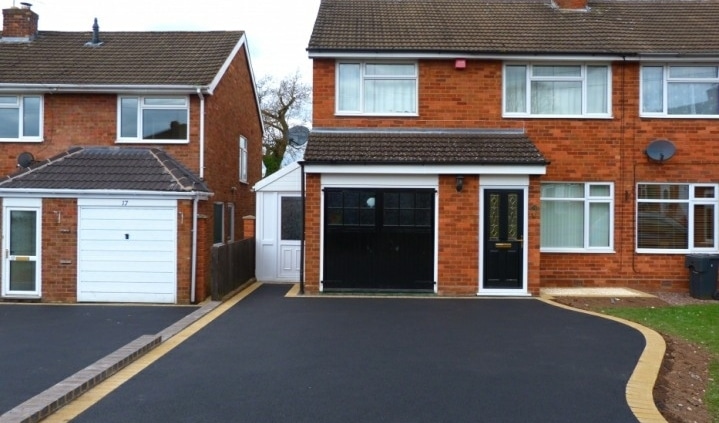
Tarmac creates a smooth, uniform surface with clean edges. It complements most house types, from traditional to modern, and can be edged with brick or stone for a more decorative finish.

The Installation Process

A well-installed tarmac driveway starts with proper groundwork. Here’s a breakdown of how a typical installation goes:

Step 1: Excavation and Preparation
The area is marked out and dug to the required depth, usually between 200mm and 250mm. Old driveways are removed, and the ground is levelled and compacted.

Step 2: Laying the Sub-Base
A solid sub-base is essential for a long-lasting driveway. Type 1 MOT stone is laid and compacted to form a strong foundation. This helps with drainage and prevents the surface from sinking over time.

Step 3: Installing Edging (If Required)
Edging blocks or kerbs can be added to define the driveway and provide extra support. This step is optional but adds a neat finish and helps keep everything in place.

Step 4: Applying the Tarmac
A hot layer of tarmac is poured and quickly spread across the area. This is then compacted with a roller to form a smooth, even surface.

Step 5: Finishing Touches
Once cooled and set, the driveway is ready for use. Some contractors offer a top coat or sealant to give extra protection, although this isn’t always necessary.

How Long Does a Tarmac Driveway Last?

A properly installed tarmac driveway can last between 15 and 20 years, sometimes even longer with good care. Factors like weather, usage, and maintenance all play a part in its lifespan. Driveways exposed to heavy vehicles or poor drainage may need attention sooner, but in most cases, tarmac holds up well over time.

Tarmac vs. Asphalt: What’s the Difference?

Although often used interchangeably, there are some differences between tarmac and asphalt. Tarmac uses tar as a binding agent, while asphalt uses bitumen, which is derived from crude oil. Asphalt tends to be slightly smoother and is more commonly used on main roads. Tarmac, on the other hand, is better suited to domestic driveways and small car parks. For most homeowners, the difference won’t matter much, but it’s good to be aware when discussing materials with your contractor.

Can You Tarmac Over an Existing Driveway?

In some cases, yes. If the existing surface is solid and not showing signs of major damage, it’s possible to lay a new tarmac layer over it. However, proper preparation is key. The old surface must be cleaned, any cracks or holes filled, and the area primed before laying new tarmac. Your installer will advise if this is suitable or if full excavation is a better option.

How to Maintain a Tarmac Driveway

Tarmac is low maintenance, but a few simple steps will keep it looking its best:

  • Regular Cleaning: Sweep leaves, dirt, and debris to prevent staining or moss growth.

  • Weed Control: Stop weeds growing through the edges by keeping borders tidy and applying weed killer when needed.

  • Avoid Heavy Point Loads: Don’t leave skips, trailers, or caravans in the same spot for too long. Over time, heavy loads can create dents or cracks.

  • Watch for Oil Spills: Oil can soften tarmac. Clean spills quickly with sand or a commercial cleaner.

  • Re-Seal When Needed: Some homeowners choose to seal their driveway every 3–5 years. This helps protect against water and UV damage and refreshes the colour.

Common Questions About Tarmac Driveways

1. Can You Install Tarmac in Winter?
It’s possible, but not ideal. Tarmac must be laid while hot and needs time to cool and set properly. Cold or wet weather can affect the finish, so spring and summer are usually better times for installation.

2. Is Tarmac Available in Colours?
Traditional black is most common, but red tarmac is also available. Coloured tarmac costs more and may not last as long due to fading. If you want colour, consider adding block paving edges or decorative gravel for contrast.

3. Will My Driveway Drain Properly?
Tarmac is not permeable, so proper drainage must be planned. A good installer will include a slight slope or drainage channels to prevent water pooling.

4. Can You Repair a Damaged Tarmac Driveway?
Yes. Cracks and potholes can be patched without replacing the whole surface. Regular inspection will help you catch minor issues before they get worse.

5. Does a Tarmac Driveway Add Value to My Property?
A well-maintained driveway certainly adds kerb appeal. While it may not drastically increase your property value on its own, it improves the first impression and makes your home more attractive to buyers.

Conclusion

Tarmac driveways remain a top choice for good reason. They’re tough, affordable, neat, and easy to maintain. With proper installation and care, a tarmac driveway can serve your home well for years. Whether you’re replacing an old drive or building a new one from scratch, tarmac is a reliable, no-fuss option that delivers solid value for money.

Before starting, make sure to choose a reputable contractor who understands the local ground conditions and has experience in laying tarmac surfaces. The right groundwork makes all the difference in the final result.

If you’re looking for a driveway that looks good, handles wear and tear, and doesn’t break the bank, tarmac ticks every box.

Why It’s Important To Have A Quality Patio

Is Paving a Garden Easy? A Guide to Transforming Your Outdoor Space

A well-designed garden is a source of joy and relaxation for homeowners. While lush green lawns and vibrant flower beds often steal the spotlight, there’s another element that can elevate your outdoor space: paving. Whether you’re considering a patio, pathway, or seating area, paving can transform your garden into a stylish and functional retreat. But is paving a garden an easy task? In this blog, we’ll explore the process, challenges, and rewards of paving, helping you make an informed decision about enhancing your outdoor oasis.

  1. Planning and Design: Paving a garden requires careful planning and thoughtful design. Start by envisioning how you want to use the space. Would you like a patio for outdoor dining, a pathway for easy access, or perhaps a combination of both? Consider the size, shape, and layout of your garden, as well as the existing features like trees, shrubs, or structures. Taking accurate measurements and creating a scaled drawing will help you visualize the final result.
  2. Materials and Styles: Choosing the right materials and style of paving is crucial to achieving the desired look and feel for your garden. From natural stone, concrete, and brick to a variety of finishes, colors, and patterns, there’s a wide range of options available. Each material has its own pros and cons in terms of cost, durability, maintenance, and aesthetic appeal. Research different options and consult with professionals or visit a local garden center to gather ideas and make an informed decision.
  3. Preparation and Groundwork: Before you can start laying the paving, proper groundwork and preparation are essential. Clear the area of any vegetation, rocks, or debris. Excavate the soil to the required depth, ensuring a level and even surface. Consider installing a weed membrane or geotextile fabric to prevent weed growth through the paving joints. Depending on the type of paving, you may need to lay a sub-base or mortar bed to provide stability and prevent movement.
  4. Laying the Paving: The process of laying the paving can be labor-intensive but can also be a satisfying DIY project. Follow the manufacturer’s instructions or seek professional guidance to ensure correct installation. Start by placing the first slab or block in the chosen pattern and level it using a spirit level. Continue laying the remaining pieces, ensuring consistent spacing and alignment. Fill the joints with sand, cement, or a suitable jointing compound, and compact the paving using a plate compactor or a rubber mallet.
  5. Finishing Touches and Maintenance: Once the paving is in place, add the finishing touches to enhance the overall aesthetic of your garden. Consider incorporating borders, edging, or planting beds to create a seamless transition between paved and green areas. Regular maintenance, such as sweeping, weeding, and occasional power washing, will help keep your paved garden looking its best and prolong its lifespan.

Conclusion:

While paving a garden may require careful planning, preparation, and some physical effort, the rewards are well worth it. A well-designed and properly executed paved area can add beauty, functionality, and value to your outdoor space. By understanding the process, selecting the right materials, and taking the necessary steps, you can transform your garden into a stunning retreat that you and your loved ones can enjoy for years to come. So, roll up your sleeves, unleash your creativity, and embark on the journey of creating a paved paradise in your own backyard!

Transform Your Backyard Into A Serene Corner With A Garden Patio 

Enhancing Your Landscape with Beautiful Patios

When it comes to creating an inviting and functional outdoor space, patios are an essential element of landscape design. A patio is a paved area adjacent to a house or building that provides a designated space for relaxation, entertainment, and enjoyment of the outdoors. Whether you have a sprawling garden or a cozy backyard, incorporating a patio into your landscape design can transform it into a stunning and practical extension of your living space. In this blog post, we will explore the concept of patios for landscapes and how they can enhance your outdoor living experience.

  1. The Purpose of a Patio:

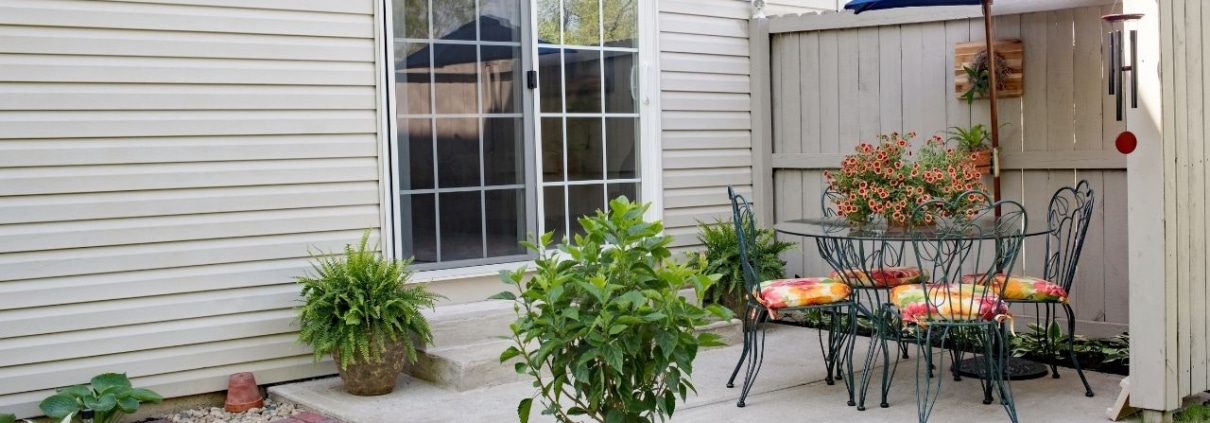
A patio serves as a versatile outdoor living area that can be customized to suit your specific needs. It provides a platform for various activities such as dining, lounging, hosting gatherings, or simply enjoying a cup of coffee in the fresh air. Patios are designed to be durable and low-maintenance, offering an outdoor space that can be used throughout the year, regardless of weather conditions.

  1. Design and Materials:

Patios come in a wide range of designs, sizes, and materials, allowing you to personalize your outdoor space to match your style and preferences. Popular patio materials include concrete, stone, brick, tile, and wood. Each material offers its own unique aesthetic and functional qualities. For example, natural stone pavers can create an elegant and timeless look, while wood decking provides a warm and inviting atmosphere. Consider the overall style of your home and landscape when selecting the material for your patio to ensure a harmonious blend.

  1. Integration with Landscape:

A well-designed patio seamlessly integrates with the surrounding landscape, creating a cohesive and visually appealing outdoor environment. By incorporating natural elements like plants, trees, and shrubs around your patio, you can soften its edges and establish a connection with the rest of your garden. Strategic placement of flower beds, raised planters, or vertical gardens can add color, texture, and fragrance, enhancing the overall ambiance of your outdoor space.

  1. Functional Features:

To maximize the functionality and enjoyment of your patio, consider incorporating additional features that cater to your lifestyle and preferences. Outdoor kitchens, fire pits, pergolas, water features, and seating areas can elevate the experience of your patio, transforming it into a true outdoor oasis. These features not only enhance the aesthetics of the space but also provide practical benefits, such as cooking and dining areas, warmth and coziness, shade and protection, and the soothing sound of flowing water.

  1. Lighting and Atmosphere:

Proper lighting is essential to extend the usability of your patio into the evening hours and create an inviting atmosphere. Incorporate a combination of ambient, task, and accent lighting to highlight architectural features, pathways, and seating areas. LED lights, solar-powered fixtures, and string lights are popular options for outdoor lighting, providing energy efficiency and flexibility in design. Adding outdoor heaters or a fireplace can also extend the usability of your patio during colder months, ensuring you can enjoy the space year-round.

Conclusion:

A well-designed patio can significantly enhance your landscape, providing a functional and aesthetically pleasing outdoor living space for you, your family, and your guests to enjoy. By integrating a patio into your landscape design, you can create an inviting and versatile area that seamlessly connects your indoor and outdoor spaces. From hosting gatherings to simply relaxing amidst nature, patios offer endless possibilities for outdoor enjoyment. So, take the leap and transform your landscape with a beautiful patio that reflects your style and enriches your quality of life.

Taking Care Of Your Lawn In The Right Way

Exploring Cost-Effective Landscaping Ideas: Beautify Your Space on a Budget

Landscaping plays a vital role in enhancing the aesthetics and value of a property. However, the misconception that landscaping is an expensive endeavor often discourages homeowners from pursuing their dream outdoor spaces. The truth is, with a bit of creativity and strategic planning, you can achieve a stunning landscape on a budget. In this blog, we will delve into the world of cost-effective landscaping, exploring various ideas that can transform your outdoor space without breaking the bank.

  1. Develop a Clear Plan: Before embarking on any landscaping project, it is essential to create a clear plan. Define your goals and priorities, sketch out the layout, and determine the areas you want to focus on. A well-thought-out plan will help you allocate your budget efficiently and avoid unnecessary expenses.
  2. Start with Proper Soil Preparation: Good soil is the foundation of a healthy landscape. Instead of splurging on expensive soil amendments, consider conducting a soil test to determine its composition and nutritional deficiencies. Based on the results, you can make targeted improvements by adding compost or organic matter, which are often affordable and readily available.
  3. Opt for Native Plants: Native plants are well-suited to the local climate and require less maintenance and watering compared to exotic species. By choosing native plants, you can save money on water bills and reduce the need for costly fertilizers and pesticides. Additionally, native plants often attract local wildlife, adding a touch of natural beauty to your landscape.
  4. Embrace Perennials and Self-Seeding Plants: Perennials are an excellent investment as they come back year after year, eliminating the need for frequent replacements. Look for plants that are known for their durability, low maintenance requirements, and ability to self-seed. These self-seeding plants can multiply and fill empty spaces over time, giving your landscape a more natural and vibrant appearance without spending extra money.
  5. Divide and Share Plants: If you have friends or neighbors who also enjoy gardening, consider exchanging or dividing plants. Many plants can be divided into multiple smaller ones, allowing you to cover more ground without spending extra on new plants. Sharing plants not only saves money but also creates a sense of community among gardeners.
  6. DIY Projects and Recycling: Engaging in do-it-yourself (DIY) projects can significantly reduce landscaping costs. From building raised beds to creating garden paths using recycled materials such as old bricks or stones, there are plenty of opportunities to add personal touches to your landscape without hiring professionals or purchasing expensive materials. Check local classifieds or online marketplaces for free or low-cost materials that others may no longer need.
  7. Mulching: Mulching is an affordable and effective way to conserve water, suppress weeds, and enhance the visual appeal of your landscape. Using organic mulch like wood chips, straw, or shredded leaves can improve soil health over time, reducing the need for costly fertilizers. Additionally, mulch retains moisture, minimizing the frequency of watering.
  8. Utilize Natural Features: Take advantage of the natural features and elements already present in your landscape. Retain existing trees, rocks, or slopes as they can serve as focal points or provide a sense of natural beauty. Incorporate these elements into your design to save both time and money.

Conclusion

Achieving a beautiful landscape doesn’t have to drain your bank account. By implementing cost-effective landscaping strategies such as proper planning, native plants, self-seeding varieties, DIY projects, and utilizing existing features, you can transform your outdoor space on a budget. Remember, creativity, resourcefulness, and a little bit of research can go a long way in creating an inviting and stunning landscape that you can enjoy without breaking the bank.

What type of driveway lasts the longest?

The Top Advantages of Asphalt Driveways

When it comes to your home’s exterior, your driveway is often the first thing that visitors see. Not only does it serve a functional purpose of providing a place to park your vehicles, but it also plays a significant role in your home’s curb appeal. With that in mind, it’s important to choose a driveway that not only looks great but can also withstand the test of time. But what type of driveway lasts the longest? In this article, we’ll explore the factors that affect a driveway’s lifespan and compare the durability of different driveway materials.

Factors that affect a driveway’s lifespan

Several factors can influence how long a driveway will last. The first is climate and weather conditions. Extreme temperatures, heavy rainfall, and snow and ice can all take a toll on your driveway. The type of soil and drainage on your property can also play a role. Poor drainage can lead to water damage, while certain soil types, such as clay, can cause shifting and cracking. The frequency and weight of vehicles using the driveway is another important factor to consider, as heavy loads and frequent use can cause wear and tear. Finally, proper maintenance and upkeep can significantly extend the life of your driveway.

Comparison of driveway materials and their longevity

Now that we understand the factors that can affect a driveway’s lifespan, let’s explore the different types of driveway materials and compare their durability.

Concrete driveways: Concrete is a popular choice for driveways because it’s durable, long-lasting, and requires minimal maintenance. A properly installed and maintained concrete driveway can last anywhere from 20 to 30 years. However, if the concrete is poured incorrectly or not sealed regularly, it can develop cracks and potholes that will reduce its lifespan.

Asphalt driveways: Asphalt is another popular choice for driveways because it’s affordable, easy to install, and has a smooth surface. However, asphalt is not as durable as concrete and typically lasts anywhere from 15 to 20 years. The lifespan of an asphalt driveway can be extended through proper maintenance, including sealing and filling cracks and potholes.

Gravel driveways: Gravel driveways are the most affordable option, but they’re also the least durable. While they can last up to 10 years with proper maintenance, they’re susceptible to erosion, shifting, and potholes. Additionally, they can be difficult to maintain and can create dust and debris.

Brick paver driveways: Brick pavers are an attractive and durable option for driveways. They’re made of individual bricks that are interlocked to create a strong surface. Brick paver driveways can last up to 25 years or more with proper maintenance. However, they’re more expensive than other options, and their lifespan can be affected by weather conditions.

Interlocking paver driveways: Interlocking pavers are similar to brick pavers but have a wider range of designs and colors available. They’re made of concrete or clay and are designed to interlock, creating a strong and durable surface. Interlocking paver driveways can last up to 30 years with proper maintenance.

Maintenance tips to extend driveway lifespan

No matter what type of driveway you choose, proper maintenance is key to extending its lifespan. Here are some tips to help you get the most out of your driveway:

Regular cleaning and sealing: Cleaning your driveway regularly will prevent dirt and debris from building up and causing damage. Sealing your driveway every two to three years will help protect it from the elements and extend its lifespan.

Filling cracks and potholes promptly: If you notice any cracks or potholes in your driveway, fill them as soon as possible to prevent them from getting worse.

Avoiding heavy vehicle traffic: If possible, avoid heavy loads on your driveway, as they can cause cracks and damage.

Preventing oil and chemical spills: If you have a car that leaks oil or other chemicals, be sure to clean up spills promptly to prevent damage to your driveway.

Conclusion

Choosing the right driveway material is an important decision for any homeowner. By considering the factors that affect a driveway’s lifespan and comparing the durability of different materials, you can select a driveway that will not only look great but also last for years to come. Whether you choose a concrete, asphalt, gravel, brick paver, or interlocking paver driveway, proper maintenance and upkeep will help you get the most out of your investment. By following these tips, you can ensure that your driveway stays strong and beautiful for years to come.

driveways cork

Top 8 Benefits of Outdoor Patios for Your Home

Outdoor patios have become increasingly popular among homeowners looking to enhance their outdoor living spaces. They offer a variety of benefits, including increased living space, a place to entertain guests, and a space to enjoy the fresh air and sunshine. In this article, we’ll explore the top eight benefits of outdoor patios and why you should consider adding one to your home.

Increased Living Space

One of the most significant benefits of an outdoor patio is the increased living space it provides. Outdoor patios can be used for a variety of activities, from family gatherings to relaxation and a space for pets and children to play. They provide an excellent space to entertain guests, and you can add features like outdoor furniture, a fire pit, or a grill to make it even more comfortable.

Entertaining Made Easy

Outdoor patios provide an excellent space to entertain guests. You can host parties, barbecues, or outdoor dinners without worrying about the limited space inside your home. The patio can be designed to accommodate your needs, whether you need a larger dining area or a space for outdoor games.

Added Property Value

Adding an outdoor patio can increase the value of your property. Outdoor living spaces are highly sought after, and an attractive patio can be a significant selling point for potential buyers. In addition to adding value, a patio can improve the overall look of your home and increase curb appeal.

Health Benefits

Spending time on your outdoor patio can have several health benefits. It provides a chance to get outside, get some fresh air, and soak up the sunshine. Exposure to sunlight also increases your body’s vitamin D levels, which is essential for maintaining healthy bones. Spending time outside can also reduce stress levels, improve your mood, and provide a natural source of aromatherapy.

Cost-Effective Home Improvement

Compared to other home improvement options, outdoor patios are a cost-effective upgrade that can increase your home’s value and provide tax benefits. They are more affordable than indoor renovations, and depending on where you live, you may be eligible for tax credits or deductions for energy-efficient materials used in construction.

Low Maintenance

Outdoor patios are low-maintenance and require minimal repairs. They are built to withstand outdoor elements and can last for years with minimal upkeep. Regular cleaning and maintenance, such as sweeping and power washing, are all that are needed to keep your patio in excellent condition.

Versatility

Outdoor patios are versatile and can be used year-round for various purposes. You can use your patio for dining, entertaining, or relaxation. It can be customized to suit your needs and can even be designed to accommodate different seasons. For example, you can add a fire pit or a heater to extend its use during the colder months.

Environmental Benefits

Outdoor patios are environmentally friendly and offer several benefits. They reduce energy consumption by providing a natural source of light and can be constructed using sustainable materials like concrete, pavers, or wood. They also require minimal water usage compared to other outdoor spaces like lawns and gardens.

FAQs

Q: What is the typical cost of building an outdoor patio?

A: The cost of building an outdoor patio varies depending on several factors, such as size, materials used, and labor costs. However, the average cost ranges between $2,000 to $10,000.

Q: What is the best material for an outdoor patio?

A: The best material for an outdoor patio depends on personal preferences, budget, and the climate in your area. Popular materials include concrete, pavers, natural stone, and wood. Each material has its advantages and disadvantages, so it’s essential to research and consult with professionals to determine which option is best for your needs.

Q: Do outdoor patios require a lot of maintenance?

A: Outdoor patios are low-maintenance and require minimal upkeep. Regular cleaning and maintenance, such as sweeping and power washing, are all that are needed to keep your patio in excellent condition.

Conclusion

Adding an outdoor patio to your home offers a wide range of benefits, from increased living space to improved property value and environmental benefits. It’s a cost-effective home improvement option that provides a space to entertain guests, enjoy the fresh air and sunshine, and reduce stress levels. With so many benefits, it’s no wonder why outdoor patios have become increasingly popular among homeowners. If you’re considering adding an outdoor patio to your home, consult with professionals to determine the best design, materials, and features that suit your needs and preferences.

The Top Advantages of Asphalt Driveways

The Top Advantages of Asphalt Driveways

Driveways are an essential part of a house, serving as the first point of entry to the home. Choosing the right material for your driveway can have a significant impact on its functionality, durability, and appearance. One material that is worth considering is asphalt. In this article, we will discuss the advantages of asphalt driveways and why they might be the best choice for homeowners.

What is an Asphalt Driveway?

An asphalt driveway is a paved surface made from asphalt concrete, which is a mixture of aggregate (stone, sand, and gravel) and asphalt. Unlike other driveway materials such as concrete or gravel, asphalt driveways are made from a combination of natural and man-made materials, making them a durable and cost-effective option. Additionally, asphalt driveways are known for their aesthetically pleasing appearance and quick installation time.

Advantages of Asphalt Driveways

Durability

One of the key advantages of asphalt driveways is their durability. Asphalt driveways are known to withstand heavy traffic and extreme weather conditions, making them a popular choice among homeowners. In comparison to other driveway materials such as concrete, asphalt driveways are less likely to crack or break over time, making them a long-lasting option.

Cost-Effective

Another advantage of asphalt driveways is their cost-effectiveness. Asphalt driveways are a budget-friendly option compared to other materials such as concrete. The cost of installation and maintenance is also lower, making it an excellent option for homeowners who are looking to save money in the long run.

Aesthetically Pleasing

Asphalt driveways are also known for their aesthetically pleasing appearance. The smooth and dark surface of an asphalt driveway can complement a wide range of architectural styles, adding a sleek and modern touch to any home. In comparison to other driveway materials such as gravel, asphalt driveways have a more refined and sophisticated appearance.

Quick Installation

The quick installation time is another benefit of asphalt driveways. Unlike other driveway materials such as concrete, which can take several days or even weeks to install, an asphalt driveway can be installed in a matter of hours. This is a significant advantage for homeowners who want to have a functional driveway as soon as possible.

Easy Maintenance

Finally, asphalt driveways are also known for their ease of maintenance. Unlike other driveway materials such as concrete, which can be challenging to repair, an asphalt driveway can be easily repaired if it becomes damaged. Additionally, the maintenance required for an asphalt driveway is minimal, making it a convenient option for homeowners who want to keep their driveway in excellent condition.

FAQs

What is the lifespan of an asphalt driveway?

Asphalt driveways can last up to 20-30 years with proper maintenance.

Can an asphalt driveway be repaired?

Yes, an asphalt driveway can be repaired if it becomes damaged.

Is it necessary to seal an asphalt driveway?

Sealing an asphalt driveway is not necessary, but it can extend its lifespan and protect it from damage.

How much does it cost to install an asphalt driveway?

The cost of installing an asphalt driveway varies depending on the size of the driveway and the local labor costs, but it is generally more cost-effective compared to other materials such as concrete. On average, the cost of installing an asphalt driveway ranges from $2 to $5 per square foot.

Is it possible to change the color of an asphalt driveway?

Yes, it is possible to change the color of an asphalt driveway by applying a color coating. This process can enhance the appearance of the driveway and make it more aesthetically pleasing.

Can an asphalt driveway be installed in any weather condition?

Asphalt can be installed in any weather condition, but it is recommended to avoid extreme temperatures such as extreme heat or cold, as this can affect the quality of the final product.

Is an asphalt driveway environmentally friendly?

Yes, an asphalt driveway is considered to be environmentally friendly because it is made from natural and recycled materials, and it requires minimal maintenance, reducing the need for frequent replacement.

Conclusion

The advantages of asphalt driveways make them an excellent choice for homeowners. From their durability and cost-effectiveness to their aesthetically pleasing appearance and easy maintenance, asphalt driveways offer a wide range of benefits that are worth considering. Whether you are building a new home or replacing an existing driveway, an asphalt driveway is a great investment that can enhance the functionality, appearance, and value of your home.

driveways cork

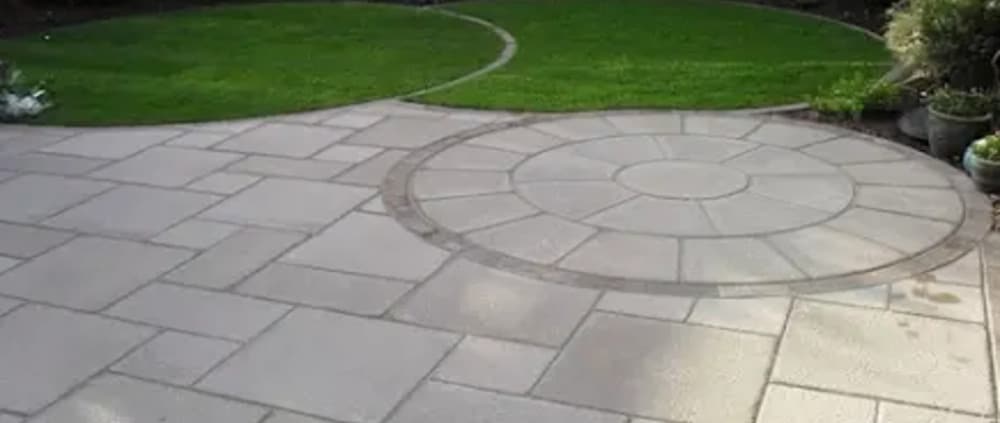
Flagstones for Patios: A Durable and Attractive Outdoor Surface Option

If you’re considering updating your patio or building a new one, you may be wondering what material to use for the surface. Flagstones are a popular choice for patios due to their durability, versatility, and natural beauty. In this article, we’ll explore the benefits of using flagstones for patios and provide some design inspiration.

What are Flagstones?

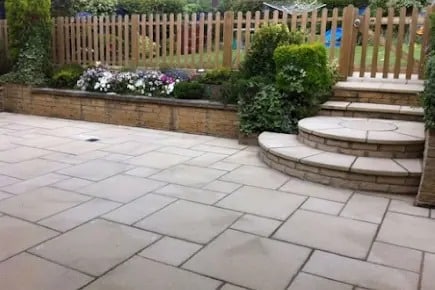
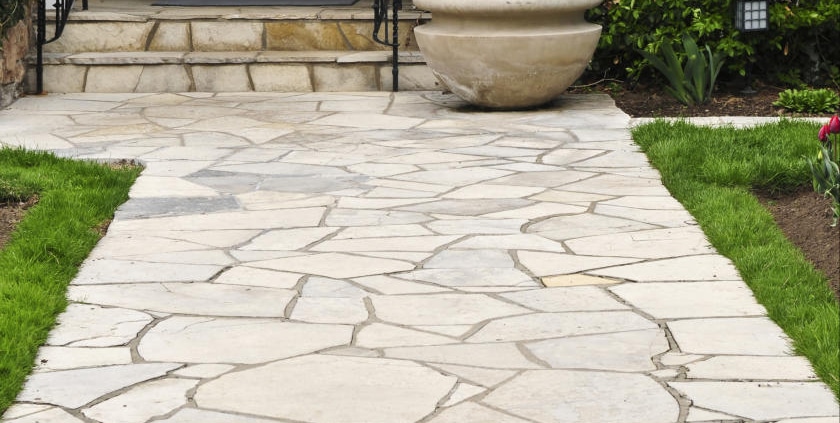
Flagstones are thin, flat stones that are often used for outdoor flooring and paving. They are typically made of sandstone, limestone, or slate and are cut into irregular shapes and sizes. Flagstones are known for their rough, natural texture and their ability to blend in with their surroundings. They are also available in a range of colors, including shades of grey, beige, red, and black.

Benefits of Using Flagstones for Patios

There are several reasons why flagstones are a great choice for patios:

Durability: Flagstones are incredibly durable and can withstand heavy foot traffic, extreme weather conditions, and the wear and tear of outdoor furniture. They are resistant to fading, cracking, and chipping and can last for decades with proper maintenance.

Versatility: Flagstones come in a variety of shapes, sizes, and colors, which allows for endless design possibilities. They can be arranged in a variety of patterns and can be easily cut to fit around curves or corners. Flagstones can also be used to create raised patios, steps, and walkways.

Natural Beauty: Flagstones have a natural, rustic charm that adds warmth and character to any outdoor space. They are perfect for creating a relaxed, inviting atmosphere and can be paired with a variety of plants, furnishings, and accessories to suit your personal style.

Low Maintenance: Flagstones require minimal maintenance to keep them looking their best. They can be swept, hosed down, or scrubbed with mild detergent as needed. They also don’t require sealing or staining like other types of patio surfaces.

Design Inspiration for Flagstone Patios

There are endless design possibilities when it comes to using flagstones for patios. Here are a few ideas to get you started:

Mix and Match: Use a variety of flagstone sizes and colors to create a unique, eclectic look. Mix and match different shapes and textures to add visual interest.

Create a Mosaic: Use smaller flagstones to create a mosaic pattern. This can be done in a single color or a variety of colors for a more eye-catching design.

Use Accent Stones: Add pops of color to your patio by using accent stones in a contrasting color or texture. These can be used to create borders, patterns, or focal points.

Add a Border: Use larger flagstones as a border around the perimeter of your patio. This helps to define the space and adds a finished look.

Go Natural: Keep things simple and let the natural beauty of the flagstones shine by using a single color and minimal design elements.

Installation Tips for Flagstone Patios

Installing flagstones for a patio can be a DIY project for homeowners with some basic construction skills, or it can be done by a professional contractor. Here are a few tips to keep in mind when installing flagstones:

Plan ahead: Measure your patio area and determine how many flagstones you will need. Take into account the size and shape of the stones, as well as any curves or corners. Sketch out a rough design to help you visualize the layout.

Choose the right base: A proper base is essential for a long-lasting flagstone patio. The base should be a minimum of 4 inches thick and should consist of a layer of compacted gravel topped with a layer of sand. Make sure the base is level and compact before laying the flagstones.

Dry lay the stones: Before you start installing the flagstones, do a dry lay by placing the stones on the base without any adhesive. This will allow you to make adjustments and ensure that the layout is visually balanced.

Use adhesive: Once you are satisfied with the layout, use a stone adhesive to secure the flagstones in place. Follow the manufacturer’s instructions for application and drying time.

Fill joints: After the adhesive has dried, fill the joints between the flagstones with sand or a mixture of sand and polymer. This helps to stabilize the stones and prevent weeds from growing.

Seal the stones: Sealing the flagstones can help to protect them from staining and weathering. Use a penetrating sealer and follow the manufacturer’s instructions for application.

Conclusion

Flagstones are a durable, versatile, and attractive option for patios. They offer endless design possibilities and require minimal maintenance to keep them looking their best. At Driveways Patios Cork, we provide the best flagstones to help you create the perfect outdoor space. Whether you want a traditional, rustic look or a more modern, contemporary design, flagstones are a great choice.

© Copyright - Driveways Patios Cork
Click To Call Us Now