
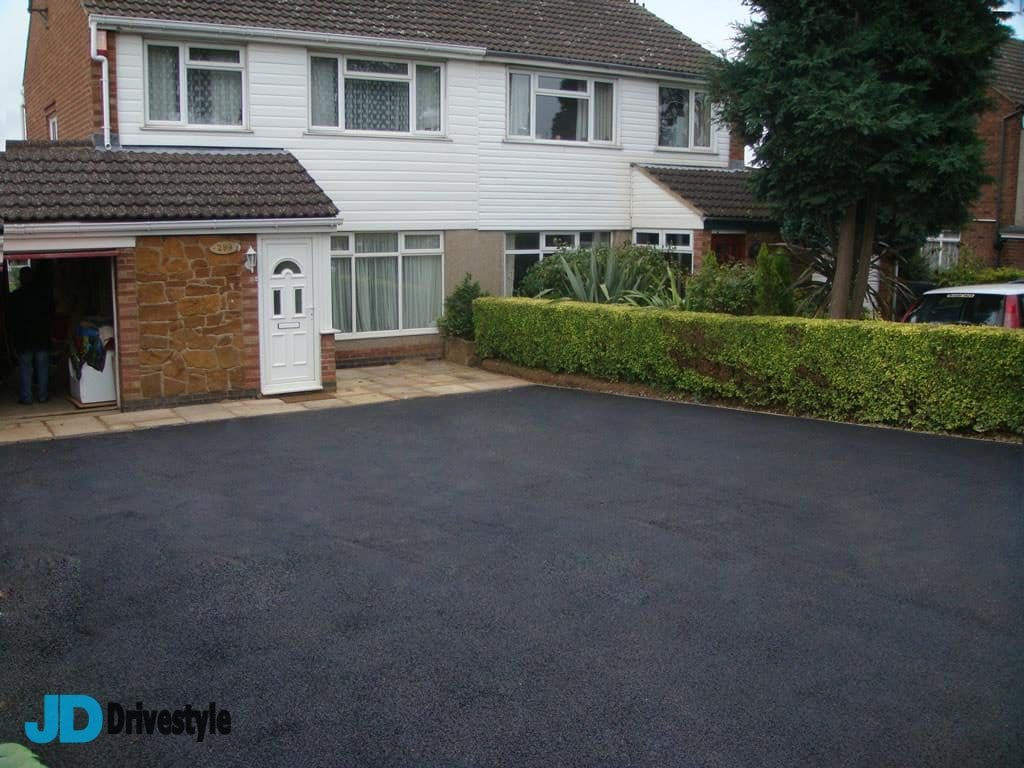
Tarmac Driveways: A Solid Choice for Long-Lasting Driveway Solutions
When it comes to choosing a material for your driveway, few options match the durability, cost-effectiveness, and neat appearance of tarmac. Also known as tarmacadam, this tried-and-tested surface has remained a popular choice for homeowners across the UK and Ireland for decades. While other options like block paving or gravel have their place, tarmac offers a no-nonsense, reliable solution for driveways of all sizes.
In this blog, we’ll explore everything you need to know about tarmac driveways—from the benefits and installation process to maintenance tips and common questions from homeowners.
What Is Tarmac?
Tarmac is a material made by mixing crushed stone and tar. Once laid and compacted, it creates a smooth, even surface that can withstand heavy use. Although many people use the word “tarmac” to refer to any black driveway surface, modern tarmac is often replaced by a similar material called asphalt, which uses bitumen instead of tar. Still, the name tarmac has stuck, and it’s widely recognised as a robust and long-lasting driveway option.
Why Choose a Tarmac Driveway?
There are several reasons homeowners opt for tarmac when replacing or installing a new driveway.
1. Hard-Wearing and Durable
Tarmac is known for its resilience. It can handle the weight of cars, vans, and even heavier vehicles without breaking apart or shifting. This makes it ideal for family homes where multiple vehicles come and go each day.
2. Low Maintenance
Unlike block paving, which can become uneven over time, or gravel, which shifts with every tyre movement, tarmac stays in place. It requires minimal upkeep—occasional cleaning and the odd repair will keep it looking good for years.
3. Cost-Effective
Tarmac driveways tend to be cheaper than other options. The installation is straightforward and doesn’t take long, which helps keep labour costs down. This makes it an attractive choice for homeowners working within a budget.
4. Quick Installation
Most tarmac driveways can be completed in a day or two, depending on size. Once laid, it sets quickly and can often be used within 24 to 48 hours.
5. Clean and Tidy Appearance
Tarmac creates a smooth, uniform surface with clean edges. It complements most house types, from traditional to modern, and can be edged with brick or stone for a more decorative finish.
The Installation Process
A well-installed tarmac driveway starts with proper groundwork. Here’s a breakdown of how a typical installation goes:
Step 1: Excavation and Preparation
The area is marked out and dug to the required depth, usually between 200mm and 250mm. Old driveways are removed, and the ground is levelled and compacted.
Step 2: Laying the Sub-Base
A solid sub-base is essential for a long-lasting driveway. Type 1 MOT stone is laid and compacted to form a strong foundation. This helps with drainage and prevents the surface from sinking over time.
Step 3: Installing Edging (If Required)
Edging blocks or kerbs can be added to define the driveway and provide extra support. This step is optional but adds a neat finish and helps keep everything in place.
Step 4: Applying the Tarmac
A hot layer of tarmac is poured and quickly spread across the area. This is then compacted with a roller to form a smooth, even surface.
Step 5: Finishing Touches
Once cooled and set, the driveway is ready for use. Some contractors offer a top coat or sealant to give extra protection, although this isn’t always necessary.
How Long Does a Tarmac Driveway Last?
A properly installed tarmac driveway can last between 15 and 20 years, sometimes even longer with good care. Factors like weather, usage, and maintenance all play a part in its lifespan. Driveways exposed to heavy vehicles or poor drainage may need attention sooner, but in most cases, tarmac holds up well over time.
Tarmac vs. Asphalt: What’s the Difference?
Although often used interchangeably, there are some differences between tarmac and asphalt. Tarmac uses tar as a binding agent, while asphalt uses bitumen, which is derived from crude oil. Asphalt tends to be slightly smoother and is more commonly used on main roads. Tarmac, on the other hand, is better suited to domestic driveways and small car parks. For most homeowners, the difference won’t matter much, but it’s good to be aware when discussing materials with your contractor.
Can You Tarmac Over an Existing Driveway?
In some cases, yes. If the existing surface is solid and not showing signs of major damage, it’s possible to lay a new tarmac layer over it. However, proper preparation is key. The old surface must be cleaned, any cracks or holes filled, and the area primed before laying new tarmac. Your installer will advise if this is suitable or if full excavation is a better option.
How to Maintain a Tarmac Driveway
Tarmac is low maintenance, but a few simple steps will keep it looking its best:
-
Regular Cleaning: Sweep leaves, dirt, and debris to prevent staining or moss growth.
-
Weed Control: Stop weeds growing through the edges by keeping borders tidy and applying weed killer when needed.
-
Avoid Heavy Point Loads: Don’t leave skips, trailers, or caravans in the same spot for too long. Over time, heavy loads can create dents or cracks.
-
Watch for Oil Spills: Oil can soften tarmac. Clean spills quickly with sand or a commercial cleaner.
-
Re-Seal When Needed: Some homeowners choose to seal their driveway every 3–5 years. This helps protect against water and UV damage and refreshes the colour.
Common Questions About Tarmac Driveways
1. Can You Install Tarmac in Winter?
It’s possible, but not ideal. Tarmac must be laid while hot and needs time to cool and set properly. Cold or wet weather can affect the finish, so spring and summer are usually better times for installation.
2. Is Tarmac Available in Colours?
Traditional black is most common, but red tarmac is also available. Coloured tarmac costs more and may not last as long due to fading. If you want colour, consider adding block paving edges or decorative gravel for contrast.
3. Will My Driveway Drain Properly?
Tarmac is not permeable, so proper drainage must be planned. A good installer will include a slight slope or drainage channels to prevent water pooling.
4. Can You Repair a Damaged Tarmac Driveway?
Yes. Cracks and potholes can be patched without replacing the whole surface. Regular inspection will help you catch minor issues before they get worse.
5. Does a Tarmac Driveway Add Value to My Property?
A well-maintained driveway certainly adds kerb appeal. While it may not drastically increase your property value on its own, it improves the first impression and makes your home more attractive to buyers.
Conclusion
Tarmac driveways remain a top choice for good reason. They’re tough, affordable, neat, and easy to maintain. With proper installation and care, a tarmac driveway can serve your home well for years. Whether you’re replacing an old drive or building a new one from scratch, tarmac is a reliable, no-fuss option that delivers solid value for money.
Before starting, make sure to choose a reputable contractor who understands the local ground conditions and has experience in laying tarmac surfaces. The right groundwork makes all the difference in the final result.
If you’re looking for a driveway that looks good, handles wear and tear, and doesn’t break the bank, tarmac ticks every box.


Leave a Reply
Want to join the discussion?Feel free to contribute!